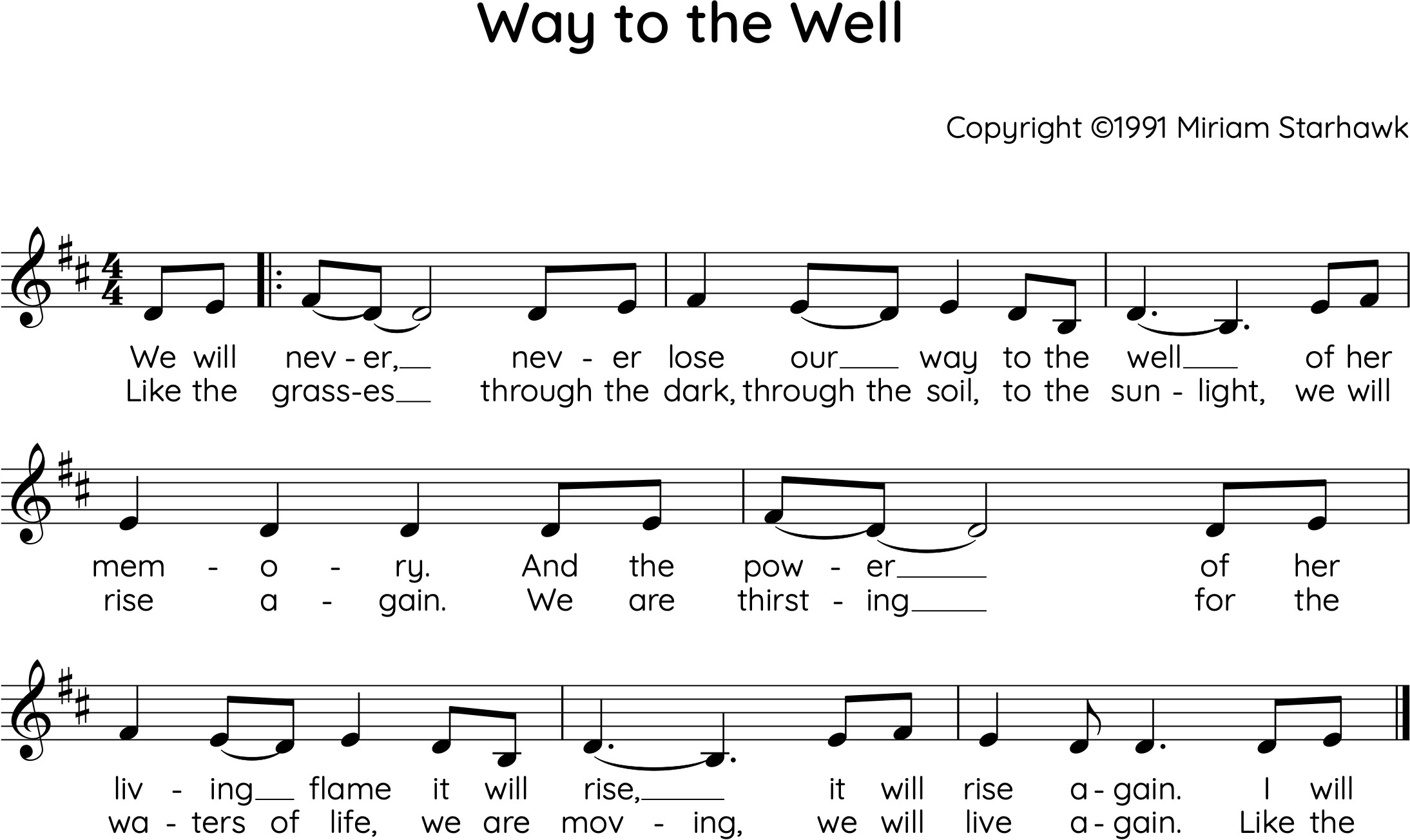
At last night’s Imbolc celebration we also sang Well of Her Memory which was written by Miariam Starhawk. I have never seen the melody scored so I did it this morning in honor of Brigid. I do not own the copyright to this song and don’t make any money off my blog. I encourage you to go buy the track and support the artist. (If the artists involved with this chant see this post and want me to remove it, I will do so immediately. I am simply trying to highlight your work so that more people will find it.)
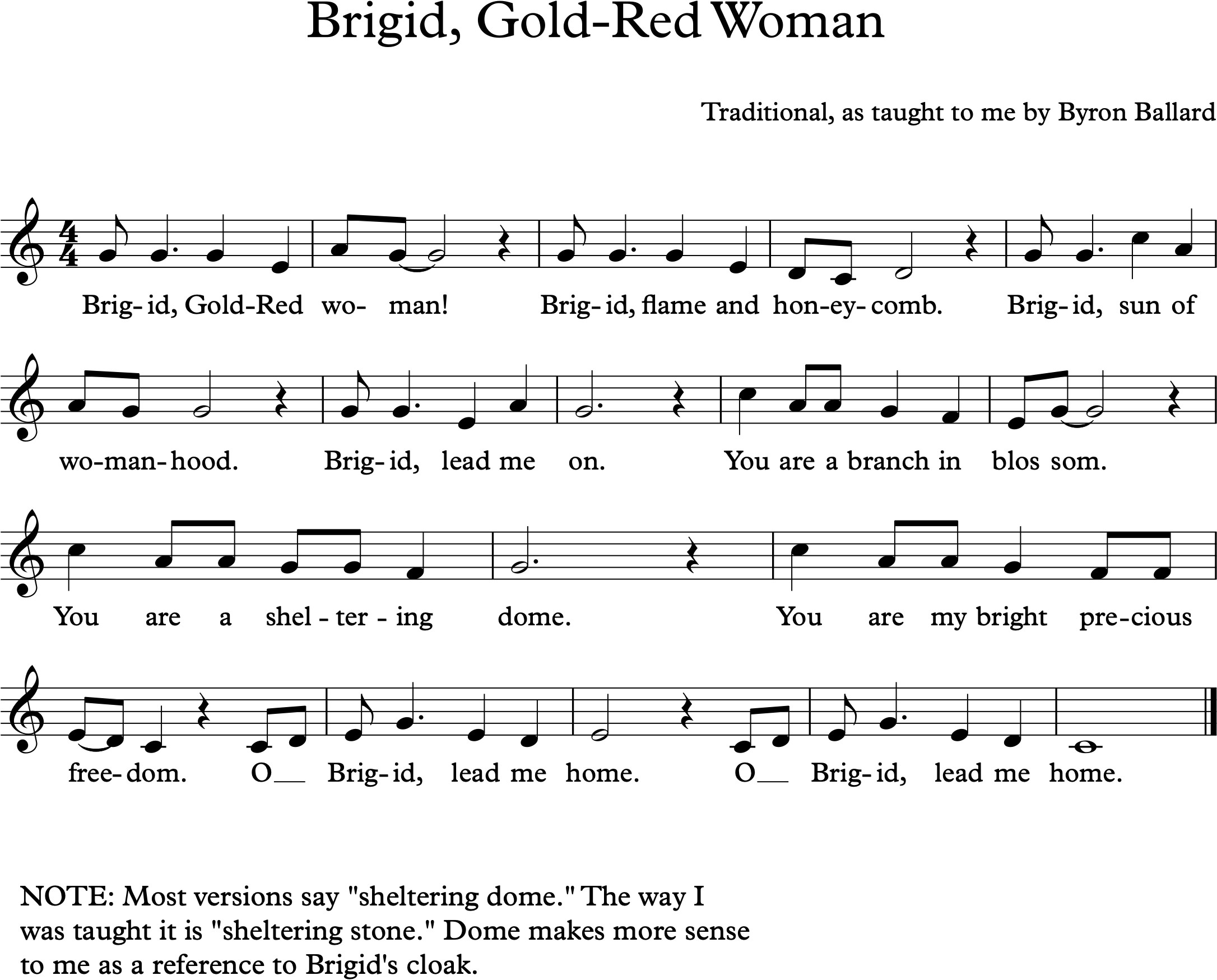
At an Imbolc celebration I attended last night, we sang the following chant. I quickly caught the tune on my smart phone and scored the melody. I write quite a bit of music so I made a small change to the melody to make it more interesting. If any of you know this tune and can suggest any revisions, please let me know. It has been my experience that there are only a few printed resources out there for Pagan songs. Therefore, I will try my best to preserve them on this blog as I come across them. Blessed be!
Even some of my Wiccan books get this one wrong! Imbolc and Candlemas are not the same holiday, but they are tried together thematically as we shall see. Imbolc is a Gaelic celebration that usually occurs on the night of February 1st. It honors the goddess Brigid who is often associated with fire among other things. One of Imbolc’s main themes is Brigid’s turning of the Wheel of the Year toward spring. Therefore, light plays an important part in the celebration. Some NeoPagans light outdoor bonfires while others employ lots of candles in indoor settings.
Candlemas is a Christian holiday that is observed on February 2nd. Roman Catholics and Eastern Orthodox celebrate it as the Feast of the Presentation of Jesus at the Temple. Candlemas commemorates a story found in Luke 2:22-40 where Joseph and Mary take baby Jesus to the Temple in Jerusalem forty days after his birth, as required by Jewish Law. After making the required sacrifice, Mary is then considered to be ritually clean and Jesus is presented at the Temple since he is their first born son. A man named Simeon witnesses this event and gives a heartfelt prayer known in Latin as the Nunc Dimittis. The theme of the prayer is that Simeon has now beheld the “light” that will shine on Gentiles and Jews alike.
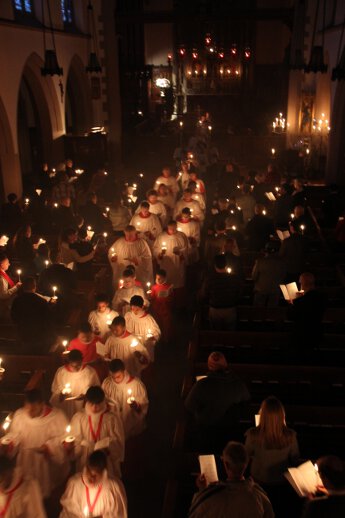
Christian celebrations of Candlemas include the blessing of beeswax candles, and a candle-lit procession precedes the worship service that day. In some part of Europe, especially France, they eat crepes on Candlemas (I’m not exactly sure why!). Each member of the household cooks their own crepe while holding a coin in their hand. They believe it assures wealth and happiness until the next Candlemas celebration.
I’ve read a number of articles that connect Candlemas with Imbolc, as well as the Roman festival of Lupercalia. Personally, I’m not convinced the tie is as strong as some people suggest. Both Imbolc and Candlemas are festivals of light. However, there are numerous light festivals during the winter season that appear in many cultures and religions. If anyone out there has a strong argument regarding how they tie together, I’m all ears. Please cite the sources that helped you to draw this conclusion.
There is a good possibility, however, that Candlemas got its start as a Christian alternative to Imbolc. This has certainly been true of many Pagan festivals so it wouldn’t surprise me at all.
I love the simple beauty of St. Brigid’s crosses. In Ireland, they are made from rushes and contain a beautiful woven square in the middle with four equidistant arms that are tied at the ends. They make these crosses for the feast day of St. Brigid, February 1st.
Many people believe this cross has pre-Christian origins and I wholeheartedly agree. The cross reminds me of the spokes of the wheel that the goddess Brigid turns toward spring during the celebration of Imbolc. The four spokes of this cross represent the two solstices and two equinoxes of the year. With all the connections that can be made between Brigid and St. Brigid, it’s not hard to believe that Brigid’s cross is a Christian adaptation of the wheel of the year.
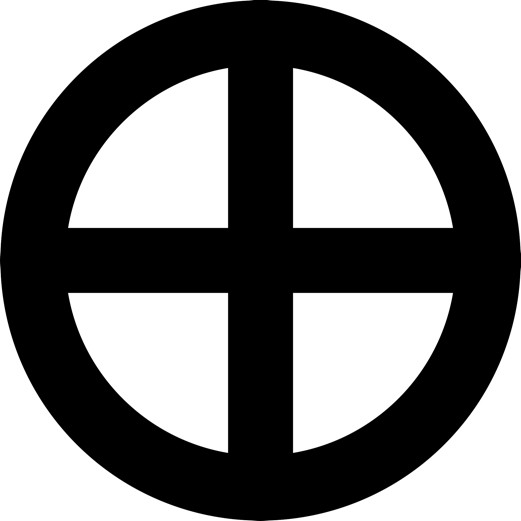
The earliest origin of St Brigid’s cross may possibly be the sun cross or wheel cross that dates back to prehistoric times, especially during the Neolithic and Bronze Age periods. Wheel crosses appear frequently in artifacts associated with religious rites. They call to mind the spokes of a chariot wheel. If this is the case, this cross could have been used in connection with the sun chariot the gods rode to carry the sun across the sky. Whatever the case may be, this is an old symbol that has been connected to spirituality for a very long time. Enjoy!
St. Brigid is both historical figure and character of folklore and shared more than a name with her Pagan Goddess counterpart. It is through St. Brigid that the clearest glimpse into Brigid the Goddess can be found.—Brigid: History, Mystery, and Magick of the Celtic Goddess, Courtney Weber
If you spend any time researching the subject, there are numerous theories that describe how the Saint and Goddess are connected. The one that resonates with me most strongly these days comes from the excellent research done by Courtney Weber in Brigid: History, Mystery, and Magic of the Celtic Goddess. According to Weber, one of the commonalities between various Celtic cultural traditions was a term for an exalted being: Brig or Brid. It was applied to more than the Goddess, and was also used to refer to women in positions of power in society. One example is a first century Irish lawyer called Brigh which was probably not her name but was a reference to her occupation as a female judge.
When nuns take their vows, they leave their secular name behind and choose a new one. Based on Weber’s work it is possible that the nun in question chose the name Brigid which was quite fitting since she held a powerful position as the founder of the cathedral in Kildare (which was built on top of a Pagan shrine) and abbess of a monastery. She also had a reputation for being generous to the poor and was known for healing miracles and compassionate care for animals.
Cross from St. Brigid’s Cathedral
When Brigid died and was declared a saint, there is no doubt the folklore surrounding her continued to grow. It’s my theory that many of the qualities that were once attributed to the Goddess Brigid became attached to St. Brigid since the worship of the Goddess remained strong in Ireland in spite of Christian attempts to eliminate her. This way, the Celts could have their Goddess in the guise of saint’s clothing. It was a win/win for both sides!
There are others beside myself who believe in this theory. Robert Ellsberg in All Saints: Daily Reflections on Saints, Prophets, and Witnesses For Our Time, says “It has been noted that in ancient times Brigid was, in fact, the name of the Celtic sun goddess. This has given rise to the suggestion that in St. Brigid, a nun and abbess of the fifth century, we find the repository of primeval religious memories and traditions. In any case, it seems that with the cult of St. Brigid the Irish people maintained an image of the maternal face of God with which to compliment the more patriarchal religion of St. Patrick and subsequent missionaries.”
Edward C. Sellner in Wisdom of the Celtic Saints, says “These attributes (of the goddess) were eventually identified with Brigit, the saint, whose feast day, February 1, came to be celebrated on the same day as that of the Pagan goddess. Early hagiographers also portray crucial turning points in Brigit’s life and ministry as touched with fire. It is clear that St. Brigit stands on the boundary between Pagan mythology and Christian spirituality.”
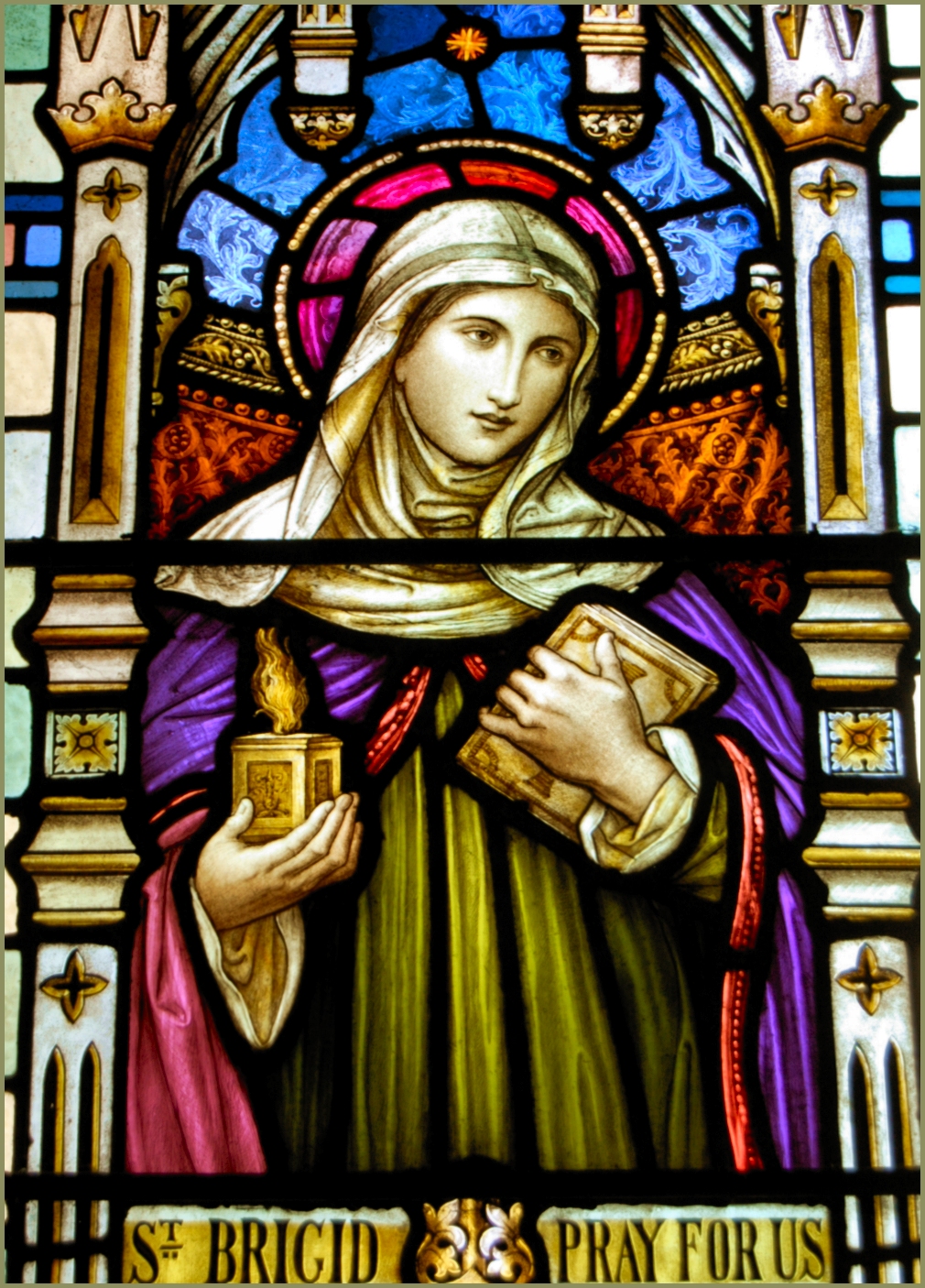
In my own personal spiritual practice, Brigid plays a big part as my “go-to” Goddess. I have an icon of her above my altar in the form of St. Brigid to remind me of the connection between my Christian and Pagan paths. For me she is a bridge-builder and reconciler whose healing power might help to bring us all closer together! Hail Brigid, and I wish you all a blessed celebration of Imbolc!
Last year Brigid charged me with writing and sharing this resource. With my beloved holy day of Imbolc coming up, I wanted to repost the link. It’s a collection of stories, prayer and reflection questions on 5 aspects of Brigid. Enjoy! You can find the PDF HERE.
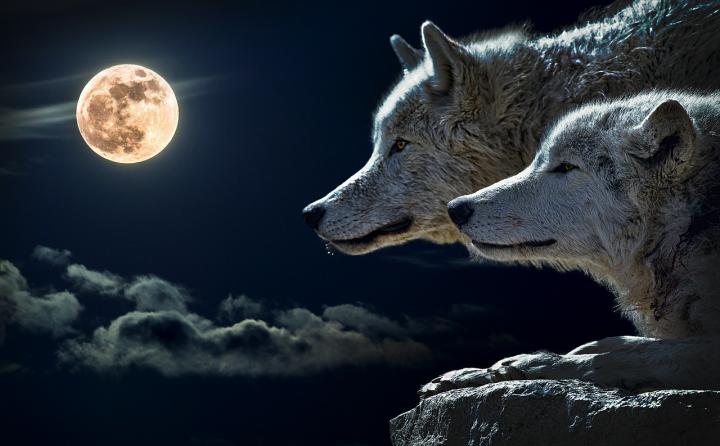
“Wolf is the pathfinder, the forerunner of new ideas who returns to the clan to teach and share medicine. Wolf takes one mate for life and is loyal like a Dog. If you were to keep company with Wolves, you would find an enormous sense of family within the pack, as well as a strong individualistic urge.”—Medicine Cards, Jamie Sams & David Carson
January 13th is the full moon that is known as the Wolf Moon. It’s one of my favorites. Using the information from the Native American Medicine Cards as our guide, there are several questions we can meditate on during this full moon:
At the beginning of this new year, what is the undiscovered territory we are exploring? What boundaries are we crossing? What new knowledge are we assimilating?
If we feel more like a gerbil on a wheel instead of a path-finding wolf, what can we do to push us out of our comfort zones? How do we awaken the Wolf Spirit that lies within?
How well are we balancing the needs of family and friends vs. our own individual needs? Do we need to strengthen our ties with those we love or do we need to learn a little self-care?
A simple ritual for this night would be to light a white candle and place a picture or statue of a wolf in front of it. Use this as a meditative image as we reflect on one of the questions I asked above.
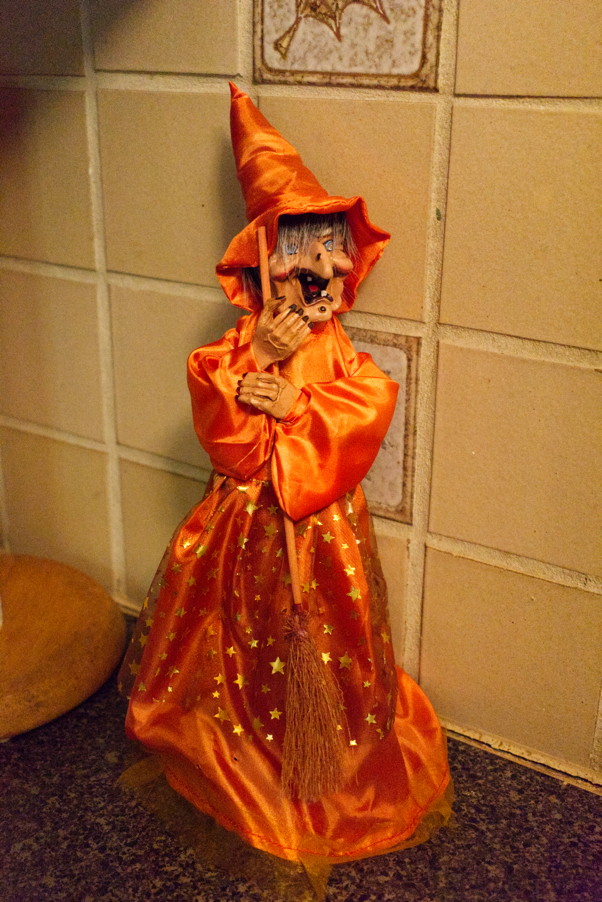
I was hooked the first time I heard about her: La Befana, the “Christmas Witch.” The first figure I saw of her while traveling in Italy was an elderly “nonna” (grandmother) who was dressed in peasant clothing with a kerchief around her head. She was riding a broom and had a bag of goodies. What’s not to like about THAT? A friend of mine recently brought me one from Italy that looked like a leftover Halloween witch. She even wore an orange skirt and a pointy hat!
Needless to say, there are many layers of tradition and stories that go into the creation of La Befana. The earliest layer is that some believe she is descended from the Sabine/Roman Goddess Strenia (Strenua), the goddess of the new year year, purification and well-being. She name appears to be the origin of strenae, the gifts Romans exchanged at the beginning of the year as good omens for the coming year. These gifts often included figs, dates and honey. Not surprisingly, several sources say that La Befana brought these same gifts to Italian children in her earliest incarnation. Thus, the tie between the two is rather convincing.
The next layer of La Befana occurs around the 8th century when she began to appear in Italian folklore in connection with the celebration of Epiphany. In fact, her name, most likely comes from the Italian word for Epiphany, “epifania.” If you’ve read my blog you know that the goddess often got adapted and incorporated into Christian theology and practice. (Brigid is the best example.) So it’s not surprising that this most likely occurred here as well.
The story that is told about her is a really weird but delightful one. Here’s one version of the legend:
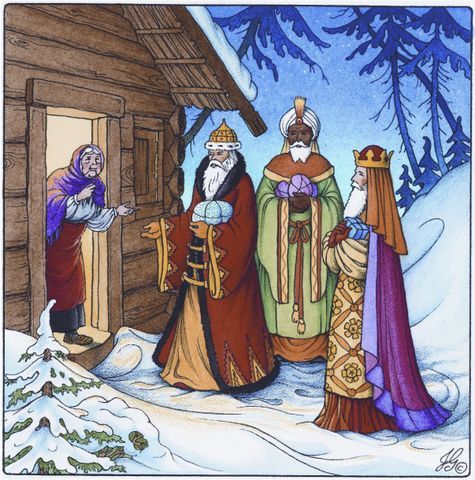
La Befana lived alone in a house in the hills of Italy. She spent her days cooking and cleaning like all good nonnas do! One night she noticed a bright light in the sky. After some thought, La Befana decided to ignore the light and go back to sleep. A few days later, a caravan led by Three Wise Men stopped at La Befana’s house to ask for directions to Bethlehem. La Befana offered them hospitality. In return, the Wise Men invited her to come with them to visit Baby Jesus. She declined, saying she had too much work to do. But later she changed her mind. She then packed a basket with baked goods and gifts for the newborn child. She grabbed her broom (because the new mother would certainly need help cleaning), and tried to catch up with the Wise Men. After she had walked a long distance angels appeared to her and gave her the gift of flight. So she hopped on her broom and continued to search for the Christ Child. She is still searching to this very day, and every Epiphany, she visits homes throughout Italy, giving gifts to every child she finds along the way. Over time, she has come to realize that the Christ Child can be found in all children, so her search is not in vain.
Her final layer is the more modern folklore tradition that may be somewhat freed of its Christian adaptation. La Befana visits all the children of Italy on Epiphany Eve (January 5) by magically sliding down the chimney on her broom. She leaves candy, treats and presents if you’re good, and a lump of coal or black candy if you’re bad. Yeah, I know, that sounds a lot like Santa Claus so she may also be the precursor to the legends surrounding the jolly old man himself! Another tradition is that La Befana also sweeps the floor before she leaves since she is such a good housekeeper.
My “Befana” figure purchased in Italy
The final piece of the puzzle is her reputation as the Christmas “witch.” I see no evidence of her being a “Strega” (Italian witch) but am open to any information you have to share. It seems to me that since she rode a broom in early folkloric traditions and has the magical power to slide down a chimney, it’s not surprising that her kerchief became replaced with a pointy witches hat and her face grew more haggardly over time with a big pointy nose. It was bound to happen, but I think this does her a great injustice. It may make sense for retailers to pawn off their Halloween witches as La Befana, but this cheapens her legend and legacy.
I still need to do more research on this topic but you must admit that La Befana is an intriguing woman whose legend is surround by magic and mystery. I don’t think she would have it any other way!
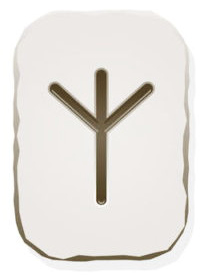
The day before Hurricane Helene struck Western North Carolina, I drew a rune for guidance which is something I do almost every day. This time I felt compelled to draw two and, wouldn’t you know it, I pulled Algiz and Raidho from the bag. I laughed out loud because I immediately knew what the Divine was trying to tell me: You are protected but, buckle up, it’s going to be a bumpy ride. You’re going on a journey and it won’t be a fun one. Little did I know how bumpy the ride was going to be.
Helene tore through our beloved mountains with a fury I have never witnessed. Areas such as the River Arts District, Chimney Rock and downtown Marshall were literally washed away by historic flooding. We were cut off from the rest of the world for about three days with all major roads into Asheville being impassable.
When help arrived, they found a city that was already working hard to rescue trapped people, cut downed trees and share whatever resource we had with those who needed them the most. This storm brought the people of Asheville together in a way I have never seen before. Whatever differences we had were not important anymore. We were neighbors helping neighbors and, with the help of an amazing number of volunteers and professionals from across the country, we have slowly but surely begun to reclaim our city and our lives.
I share this story with you because it helped me to understand Algiz in a new way. Yes, it’s a rune of Divine protection but this protection might also come in human form. Depending on where this rune falls in a reading, the Divine might be calling us to lend a helping hand to someone who really needs it. Conversely, it might also be a challenge for us to be vulnerable enough to accept help from others.
If you have any thoughts on this, I’d be interested in what you have to say. Please leave a comment and share your experience of Algiz. I’ll be back to posting regularly soon.
I will have lots more to share but for now I wanted you to know that I’m alive and doing okay in the aftermath of Hurricane Helene that ravaged my beautiful city of Asheville and the surrounding communities, My house is OK. My family is OK. As you can imagine I’m just struggling like everyone else here to make sure I have the basic necessities of life and also help others who are far worse off than I.
I’m learning lots of lessons and I’ll be back to share some of them with all of you. Keep sending positive vibes to me and donate wherever you can to help us recover. A great local organization with boots on the ground is Beloved Asheville. I promise not a penny you donate to them will be wasted.





 Sabbats and Sabbaths