Honoring a Dead Hawk

Some Native Americans call this majestic bird Cetan-luta. Us Anglos who live in the Appalachian mountains call them red-tailed hawks. We had one who was the spiritual guardian of our church. I would sometimes see him perching on top of the cross on the spire of our building, or flying from treetop to treetop among the poplars and pines that grow on the mountain behind our church. Today, we lost our friend.

After worship this morning, one of my parishioners pulled me aside and quietly guided me to what was left of the body of a red-tailed hawk. He/she had obviously been eaten by a predator, but there is no way to tell whether he/she died first or was somehow caught by the predator. At least his/her body fed another living animal so it did not go to waste.

I had to leave church quickly but as I was driving away I thought about how I could honor our fallen comrade. In the midst of a number of options that ran through my head, a single, clear voice asked me “What would you do for a human who died?” The answer was obvious. I would bury this beautiful creature and say some prayers honoring his/her life. It was clear the Spirit has given me the direction I sought.

So this afternoon I donned some plastic disposable gloves, grabbed a shovel and carried the bird to the top of the hill that overlooks our church building. I let the Spirit guide me to the perfect spot and found some nice level ground that was nestled between a few trees. I dug a hole and buried our friend, placing a log I found nearby on top of his/her grave. I said my prayers of thanks as I lit a little homegrown sage and covered the grave with sacred smoke.

Then I went back to the church and circled it with the same same sacred smoke, saying the following prayer repeatedly, “Thank you for being our guardian. May you rest in peace.”
As I write this blog there are tears welling up in my eyes. My grief is deep. Red-tailed hawks have always been one of my favorite birds, along with crows. I feel a connection to these majestic creatures that is unexplainable but nonetheless real. I don’t know if we’ll have another guardian as beautiful as our Cetan-luta. But, today, I honored the gift that was given to our faith community in the presence of this hawk.

(In case you’re wondering I DID NOT take any of this bird’s feathers with me. The Migratory Bird Treaty Act makes it illegal to possess them. Plus it simply didn’t feel right to do such a thing to our guardian and friend.)

Blessings, David T

Copyright ©2021 by David Taliesin, http://www.sabbatsandsabbaths.com

Posted in Creation Spirituality, Prayer, Spirituality | Tagged , , , | 3 Comments

Lavender: The Great Nard Controversy

lavenderIt is common knowledge that lavender is an herb which promotes relaxation, emotional balance and serenity. But things start to get heated when the question is asked as to whether lavender is the same thing as “spikenard” or “nard” that is found in the Bible. I believe they are two different herbs. Here’s why:

Lavender (genus Lavandula) is named from the Latin “lavare,” which means “to wash.” Ancient Romans used lavender in their famous baths as a perfume. People knew you were clean because you smelled of it afterward! The confusion begins to arise because the Greeks called lavender “nardus,” referring to the city Naarda, where lavender was often sold. Many simply called the plant “nard.” However, the Romans called lavender “asarum,” because they believed the poisonous asp viper lived among lavender bushes.

Spikenard (nardostachys jatamansi) is a flowering plant of the Valerian family that grows in the Himalayas of Nepal, China and India. It is the more valuable of the two because lavender (lavandula stoechas which we now call French or Spanish lavender) was grown locally as well as regionally. Spikenard had to be imported from a great distance, hence its value. All of the scientific and biological resources I checked all agree these are two different herbs. The confusion probably comes from the Greek’s calling lavender “nardus.”

Now that we’ve gotten that out of the way, let’s all inhale a little lavender oil and relax! This noble herb has been used for over 2,500 years, starting with the ancient Egyptians who used it as a part of the mummification process and also as a perfume. It’s use was also widespread among the Arabs, Romans and Greeks. Modern Wiccans believe its magical properties include sleep, long life, peace, wishes, protection, love, purification, visions and clarity of thought. Christians of earlier times regarded lavender as a safeguard against evil, and hung a cross of lavender over their door for protection.

The most beautiful and holy use of lavender I’ve encountered is at one of our local hospice centers who bathes its dying patients with lavender-scented water. It relaxes the patient as well as their family! What a lovely gift to both!

Copyright © 2021 by sabbatsandsabbaths.com

Posted in Creation Spirituality, Herbology | Tagged , , | 2 Comments

June Full Moon: Strawberry Moon

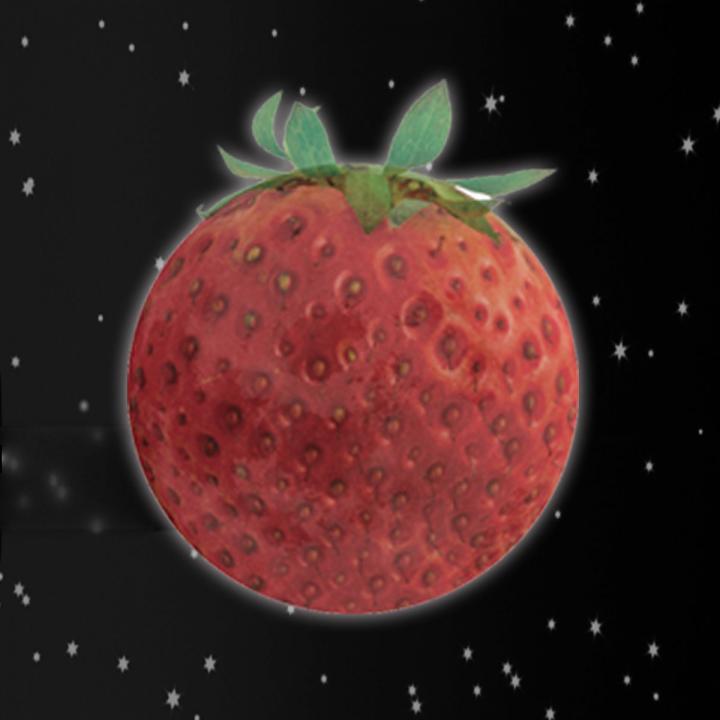
strawberry-moon-squareAccording to the Farmer’s Almanac, the June full moon, which occurs this coming Monday, June 24, is known as the Strawberry Moon. (Other names for this moon include the Rose Moon and Hot Moon.) The Algonquin tribes knew this Moon as a time to gather ripening strawberries. Since strawberries are such a sensual fruit perhaps we can use this full moon to do a little self-care. Keep the night simple. Grab a glass of your favorite beverage or decadent dessert. Sit under the full moon in a comfortable chair and soak up her powerful energy. Spend time grounding and letting go of any anxieties and worries you are carrying. When you feel like you’re in a place of complete calm, have that lovely glass of wine or hard cider you brought with you and savor every sip. Eat a piece of pie or cake but do it slowly and appreciate each sensuous bite. We all need time to rest and recharge our spiritual batteries. Take good care of yourselves, friends so that we may be the warriors of justice and compassion our world needs us to be! Blessed be!

Copyright ©2021 by David Taliesin, http://www.sabbatsandsabbaths.com
Posted in Esbats | Tagged , , | Leave a comment

Calendula: Solstice Flowers on Steroids

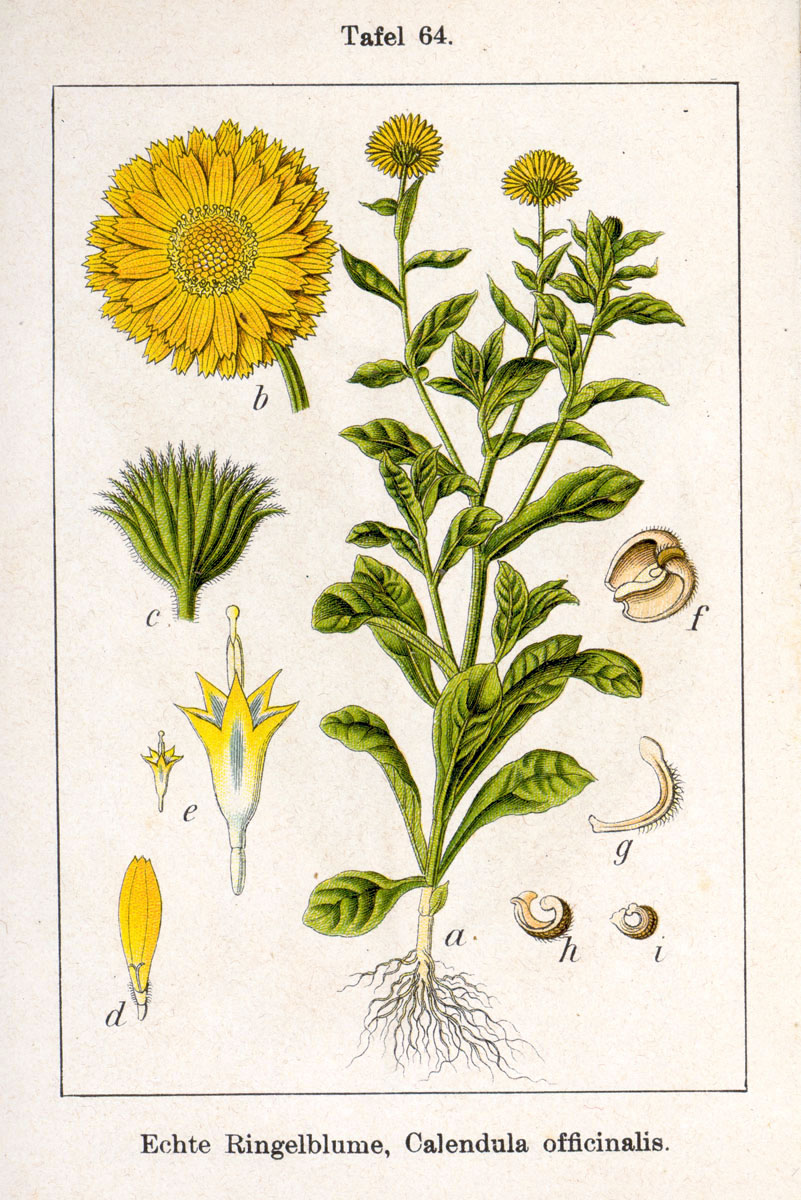
calendula-illustrationG/P/E Masculine, Sun, Fire

Even if you don’t have a particularly green thumb, you can grow calendula in your garden. They love lots of sun and produce prolific amounts of beautiful yellow and orange blossoms that can be used for magical, medicinal and culinary uses. They also grow well in pots if you live in an apartment or condo. The trick to getting lots of blossoms is to keep harvesting/ deadheading them as they flower. In the hottest part of the summer they may stop producing flowers but don’t give up on them. When the temperature drops a bit they will start blooming again and, depending on where you live, can produce flowers well into the fall. They can reseed themselves with little effort on your part but you can also save the seeds from the dried involucres (green base of the flower head). This is also where the highest concentration of medicinal resinous oils are found.

Medicinally, calendula has lots of healing properties. A salve made from the whole blossoms is very nourishing to the skin and can help with all manner of cuts, bruises, rashes, burns, insect bites, etc. Tea made from the dried blossoms is also a great way to beat the winter blahs. I combine it with other herbs to promote a sense of well-being and happiness.

As a culinary ingredient, calendula petals can be eaten raw and add beautiful color to fresh garden salads. Dried petals have also been used in place of saffron as a colorant and flavor ingredient.

Magically, calendula is an overlooked and underappreciated herb. Scott Cunningham says that calendula flowers gladden and strengthen the heart. Garlands of calendula strung on doorposts stop evil from entering the house, and placed under a bed will protect you while you sleep. I find that their energy is joyful and vibrant and can be used in any ritual where sun/fire energy is called for. Even a small vase of calendula placed on my home altar feels empowering and inspiring.

Paul Beyerl in his excellent book “A Compendium of Herbal Magic” says that the dried petals can be used alone or mixed with a dry incense to consecrate tools of divination, and the petals may also be macerated in sunflower oil to make an oil of consecration. It’s sunny color and fire energy are also good for clearing negative energy.

As a side note, the common name “marigold” refers to the Virgin Mary and may have previous associations with a nature goddess. If anyone has any historical info on this, let me know. The more common variety of marigold that most people are familiar with is also used in Dia de los Muertos celebrations. It is placed on altars and graveside to honor the dead. Given that calendula can flower into the fall in some climates, it may also be used for this purpose.

So, what are you waiting for? Make plans to add calendula to your garden next year. You will love the many uses for this versatile flower.

Copyright, ©2021 by David Taleisin, http://www.sabbatsandsabbaths.com

Posted in Herbology, Litha, Magic, Midsummer | Tagged , , | Leave a comment

Litha (Summer Solstice) For Introverts

shy-speaker

Litha, or Summer Solstice, is the longest day of the year. This year it occurs on Sunday, June 20th. It’s the day of the year when the sun is at its full life-giving power. Many feel vibrant and alive this time of year. I’m not one of them! 90 degrees is not my anointed temperature. I sweat like crazy and have to slow down my activities quite a bit. My brain also feels a little foggy. Therefore when the sun is at its full power, I am not. I’m one of those weird people who feels more alive and creative in January than I do in July. Perhaps that’s because I’m an introvert and January is definitely a more introverted month than July.

If you’re like me and don’t feel like lots of merriment this Litha, it’s a good time to reflect on the significance of this turning point in the wheel of the year. Wait for the cool of the evening if that’s possible. Light some candles. Pick an incense with a floral or citrus scent. Have a nice glass of wine or other relaxing beverage. Then take time to reflect on what you’ve accomplished since Yule. Have the seeds of ideas and projects you planted during the first part of the year been able to grow? If not, is there anything you can do to help them germinate during this time of the year that is focused on the greening of the earth?

The second part of your reflection should include the observation that June 21st begins the “long dying of the year” as each day gets shorter and shorter. It’s the time to begin thinking of the things you need to let go of: emotional weights that are preventing you from moving forward, project that just aren’t going to happen, etc. For me, this is not a morose activity.  t is very life-giving as we lighten our load so we can move more joyfully and freely in the world.

So, that’s my Litha celebration for introverts. I’m looking forward to a quiet evening and if that’s your thing as well, I wish you a calm and cool evening!  Blessed be!

Copyright ©2021 by David Taliesin, http://www.sabbatsandsabbaths.com

Posted in Litha, Midsummer, Wheel of the Year | Tagged , , , , , | 5 Comments

Summer Solstice: Let Your Light Shine

summersolsticeLitha or Summer Solstice (June 20) contains powerful themes that are of interest to Christians and Pagans alike. In fact, I suspect this powerful day in the Northern Hemisphere has been revered ever since human beings began noticing the cycles of nature around them. The term Litha comes from the Anglo-Saxon phrase Aerra Litha, which means “before Midsummer.” For many Pagans it is a day with the themes of fertility and fire, since the Goddess is fully pregnant with child and the Sun God is at the height of his power. In earlier times Europeans farmers lit bonfires to mark this day and then spread the ashes over their fields to insure fertility of their crops.

Not surprisingly, the Christian Church appropriated this celebration (If you can’t beat ’em, join ’em!). They set aside June 24th to commemorate the birth of John the Baptist, calling it St. John’s Day. It is one of the oldest festivals of the Christian Church, dating back to 506 CE. It’s tie-in to the theme of fire can be found in the gospel of John 1:6-9 which talks about the relationship between John and Jesus: “There was a man sent from God, whose name was John.He came as a witness to testify to the light, so that all might believe through him.He himself was not the light, but he came to testify to the light. The true light, which enlightens everyone, was coming into the world.” The light, in this passage, is Jesus who takes the place of the Sun God as the light who “shines in the darkness, and the darkness did not overcome it.” (Jn 1:5)

For both Pagans and Christians this is the perfect time of year to celebrate the gift of life with bonfires, which for any of us have become charcoal and gas grills and fire pits! This weekend is also Father’s Day which means it’s a great day for family get-togethers and picnics. This is definitely resonates with the spirit of Litha.

From a spiritual perspective, the Solstice it’s a good time to meditate on the fertility of body, mind and spirit. It’s a time to capitalize on our strong points and use the gifts and talents the Divine has given each of us to help give birth to a greener, healthier and more peaceful world. The Bible passage that keeps coming to mind when I think about Litha is Matthew 5:14-16: “You are the light of the world. A city built on a hill cannot be hid. No one after lighting a lamp puts it under the bushel basket, but on the lampstand, and it gives light to all in the house. In the same way, let your light shine before others, so that they may see your good works and give glory to your Father in heaven.”

Copyright ©2021 by David Taliesin, http://www.sabbatsandsabbaths.com

Posted in Litha, Liturgical Calendar, Midsummer, Wheel of the Year | Tagged , , , , , , | 5 Comments

Lessons Learned During the Pandemic: Connection

Even though the pandemic is not over, I’ve found myself asking the following questions: What have you learned from this time of crisis that you want to carry with you into the future? What do you want to leave behind?

In my last blog post I mentioned SIMPLICITY as the first thing I want to carry with me into the future. The second is authentic CONNECTION with other people. All of us spent a great deal of time in isolation, especially during the first months of the pandemic. Even for an introvert like me, it was very disorienting. Like everyone else, I learned to navigate the world of ZOOM meetings, WhatsApp video chats and the like. But they were definitely a poor substitute for genuine human contact.

Now that I’m vaccinated, I’ve been able to safely meet with friends and family who are vaccinated as well. Hugs have been long and heart-felt. Conversations have been deeper. These visits are holy moments that have improved my mood tremendously. They’ve also helped me to realize what a gift it is to have these kinds of moments in our lives.

With this in mind, I want to carry into the future the value of authentic CONNECTION with other people. When I’m with family and friends, I want to give them my full attention and appreciation. My cell phone will stay in my pocket. I will try to not be distracted by other things, especially thoughts about what I need to do when our visit is over.

It also means I want to leave behind superficial interactions and conversations. Life is short. I’m not getting any younger, Therefore, I want to make the time I spend with others count. This also means I want to spend less time with people who are soul-sucking instead of life-giving. (We all have them in our lives.) I just don’t want to give them the energy it takes to sustain a relationship with them. The pandemic has helped me to separate my true friends from my acquaintances. And these days, I’m very careful with whom I invite into my circle of friends.

What lessons have you learned during this pandemic?

Blessed be! David T.

Posted in Spirituality | Tagged , , , | Leave a comment

Lessons Learned During the Pandemic: Simplicity

Even though the pandemic is not over, I’ve found myself asking the following questions: What have you learned from this time of crisis that you want to carry with you into the future? What do you want to leave behind?

Today I’d like to quickly explore one of the things I wish to carry with me into the future: SIMPLICITY! Before the pandemic, my schedule was not very life-giving. I had too many irons in the fire (including this blog). These days, my life has a much healthier rhythm. I spend two days a week babysitting my granddaughter which is an absolute joy. She has a deep curiosity about the natural world so we do a lot of exploring together. I believe she’ll be the only first grader who knows the name of all the plants that grow in our area! Her sense of wonder rubs off on me and I get to rediscover many things I’ve taken for granted in nature that she finds absolutely amazing. What a wonderful gift she has given me!

I also enjoy my daily adventure early in the morning at the dog park. It has a lovely lake beside it and my pooch and I enjoy watching the wildlife that calls this lake home, including a healthy and cantankerous flock of Canadian geese. In the past, I used to resent this task sometimes, but now I see it as a holy time that prepares me for the day.

I also love working in my medicinal herb garden and find a quiet magic there that is grounding and peaceful. It’s always been one of my happy places, but I find I value it more now than I did before the endemic began.

I also invest more time in my relationships with those who are closest to me and less time on peripheral ones. I’m not as readily available as I used to be and this is a healthy thing for me. I’ve set some healthy boundaries that I want to keep in place as I move forward into the future.

My full time job as the leader of a faith community has been quite exhausting and challenging this past year. I’ve had to learn to reinvent the wheel quite a bit. However, as things return toward that dreaded word we call “normal,” I will take some new technologies with me such as Zoom. Who would have thought you could teach a meditation class on Zoom and have it be a meaningful experience? I’ve also found it to be more efficient to have meetings on Zoom since people don’t have to drive to attend and its kinder on the environment as well.

My magical life is a bit different too. It’s simpler and a little less flashy. I don’t use as many “props” but try to be more open to being a vessel through which both Earth and Spirit energy flow to bring health and healing to others. It feels like a deeper and more grounded practice and I find I take whatever time I need to do the work rather than doing it quickly in order to get on with the next thing I have to do.

If you’ve read this far, thank you! I didn’t share this post to make you feel bad or to brag. The opposite is true! I hope you will take time to figure out everything that was of value to you during this time of pandemic and make sure you don’t leave it behind. COVID-19 has been both a curse and a blessing! A curse because we lost a lot of good people along the way. A blessings because those of us who have survived have been given a rare opportunity in life to hit the reset button. Don’t let this holy moment pass you by!

I hope all of you are well and that you’ve been able to find simply joys in the midst of one of the most challenging years we’ve had in our country and throughout the world.

Blessed be! David T

Copyright ©2021, by David Taliesin, http://www.sabbatsandsabbaths.com

Posted in Uncategorized | Leave a comment

Prayer for the Dead

Perhaps on this coming full moon, February 27th, we can take a moment and say this beautiful prayer written by a mentor and colleague of mine, Byron Ballard. She says this particular prayer even night at sundown to remember those who have died from COVID-19. Since we passed the 500,000 mark, I hope we can add our voices to hers and pray that the Blessed Dead cross the veil and find their way to a place of peace.

Blessed be! David Taliesin

Posted in Prayer, Spirituality | Leave a comment

The Lost Spells: Enchanting Reading

Recently, a friend gave me the most marvelous gift I’ve received in a long time: The Lost Spells by Robert Macfarlane and Jackie Morris. This small, hardbound book is filled with delightful poetry and beautiful illustrations from the natural world.

The Lost Spells is one of those books you will definitely find yourself returning to again and again. It could also be one of those books you leave out for guests to read when they are staying at your house. (And yes, it could also be bathroom reading but I mean that in the best way possible!)

If you’re looking for traditional magic spells, this is not the book for you. (The title is a bit misleading) If you’re looking to be spell-bound and inspired by nature, then this fits the bill quite nicely. There is always power and creativity to be harnessed as we give nature our full attention. The Lost Spells may help you to attune yourself more to some of the animals and plants that live inhabit the world around us.

A book like this is meant to be experienced rather than simply read. If you’re looking for something to perk you up during this pandemic, The Lost Spells will definitely do the trick.

Copyright ©2021 by David Taliesin, http://www.sabbatsandsabbaths.com

Posted in Spirituality | Tagged , , | Leave a comment